
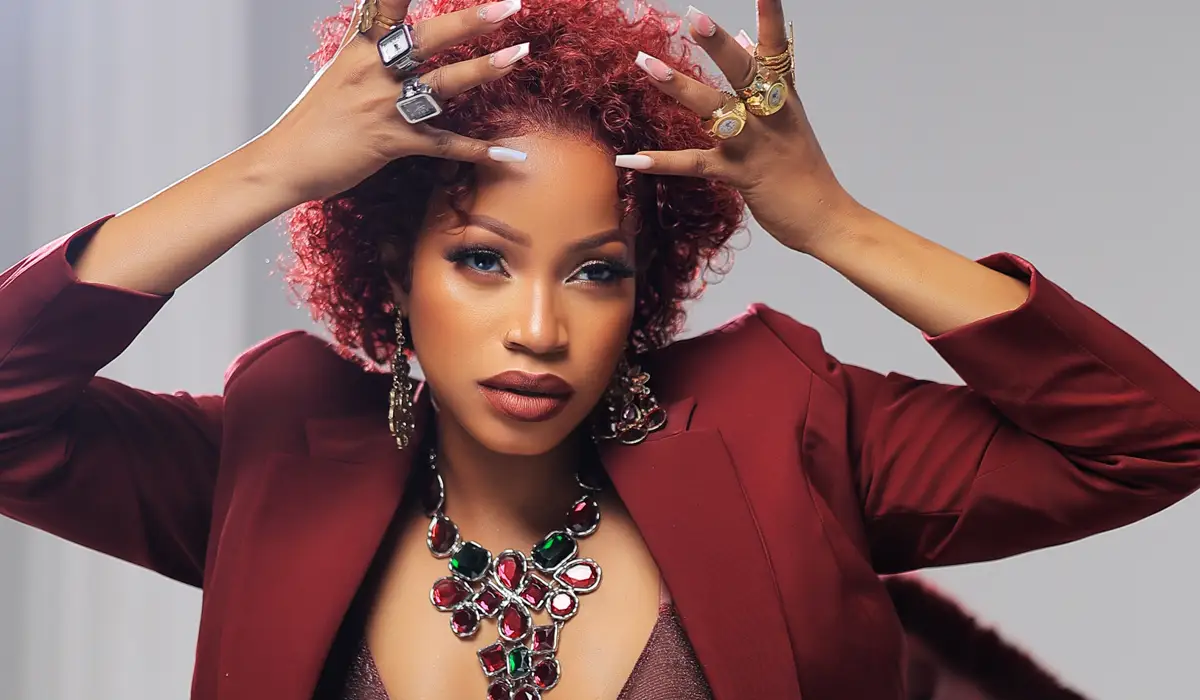
The second part of the first episode of Let’s Talk About It, Sheebah Karungi’s new podcast on her YouTube channel, has, much like the first, sparked even deeper conversation around the artist’s shocking views on who she is attracted to, relationships, and marriage, after openly sharing that she would be comfortable becoming a man’s fourth or even tenth wife in a polygamous marriage.
Titled Nobody Called It “Too Much” When I Was Silent II, the part saw Sheebah Karungi speak with unusual openness, with the 36-year-old singer and mother to baby Amir revealing a side of herself many Sheebaholic fans may not have expected, especially from an artist who for years built her image around independent woman, “self-reliance,” and openly questioning traditional marriage.
“I have decided I can now be the fourth or even tenth wife to my husband, and even live with my co-wives in the same house, as long as they’re okay with it,” Sheebah Karungi admitted with laughter.
She went even further, explaining that if honesty, transparency, and peace exist, she could genuinely love and peacefully coexist with co-wives, even organising birthday parties for them. For the Queen Karma, love today appears less about exclusivity and more about emotional safety, mental connection, and having someone you can truly talk to.
“I don’t mind being Hajjat number 10,” – Sheebah Karungi
Motherhood seems to have played a role in that shift. After welcoming her first child, son Amir, in November 2024 with UK-based Ugandan music promoter and businessman Jaffar Suleiman, Sheebah appears to be viewing relationships through a different lens, as Jaffar has publicly confirmed that Amir is his son. The pair have been spotted together on several occasions, further fuelling public interest in Sheebah’s evolving outlook.
“Marriage has never been one [of] my dreams…,” Sheebah Karungi tweeted in 2015.
Many now see a softer, more reflective side of the artist, as Sheebah Karungi, who once appeared firmly focused on her music career, independent woman, and “never settling for less,” now sounds more open to compromise, harmony, and unconventional arrangements like polygamy.
During the same podcast, she also addressed long-running rumours about her sexuality, stating she connects with people based on character rather than gender, adding another layer to an already shocking conversation.
For fans who have long admired Sheebah’s “better single than settling” mindset, her current stance has sparked mixed reactions. Could this be a sign of maturity, a response to hidden struggles, or simply a reality check that has reshaped one of Uganda’s most outspoken feminist actvists?
One thing remains clear: Sheebah Karungi is still getting people talking, only this time, not through music, but through her personal views and reflections.