
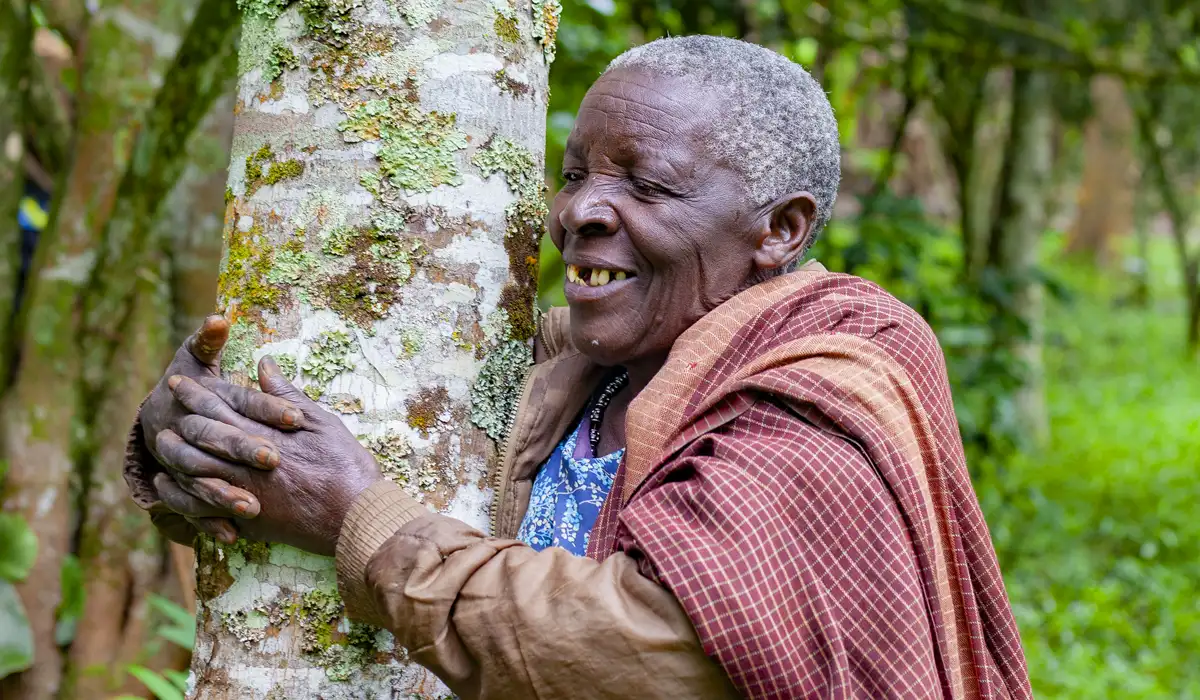
World Nature Conservation Day stands as a critical global reminder that the finite natural resources that keep our world in balance, our air, water, soil, forests, wetlands, and wildlife, demand our careful, collective stewardship.
Uganda is currently facing a severe deforestation crisis, losing 23% of its tree cover between 2000 and 2020. Because the country’s economy relies heavily on small-scale farming, this forest loss is largely driven by the expansion of agricultural land, alongside logging and fossil fuel extraction.
This crisis reflects a harsh global reality. In 2025 alone, the planet lost about 4.3 million hectares of tropical rainforest. This continuous loss is worsening the global climate crisis, leading to more frequent and severe fires, floods, and droughts that directly impact local communities.
When we lose plant and animal species, the natural systems we rely on begin to break down. This directly threatens our food supply, health, and economy. World Nature Conservation Day reminds us of these connections, urging us to act before the damage becomes permanent.
Since 1999, the Environmental Conservation Trust of Uganda (ECOTRUST) has spent nearly three decades changing how we protect nature. They have pioneered creative funding methods that make conservation financially rewarding for local communities. ECOTRUST’s mission is to connect people with nature by ensuring that protecting the environment also helps them earn a living.
Through its landmark Trees for Global Benefits (TGB) initiative launched in 2003, ECOTRUST designed a market-based carbon financing system that treats landscape restoration as a sustainable business.
By linking smallholder farmers to the voluntary carbon market, ECOTRUST has empowered over 54,000 households across major ecological landscapes to plant native trees, restore degraded soils, and generate reliable income, proving that performance-based green finance can turn local populations into long-term environmental stewards.
Building on this 27-year foundation of green finance, ECOTRUST is now leveraging new technology and financial frameworks to address a critical ecological emergency: the fragmentation of the Northern Albertine Rift.
The tropical forests of the Albertine Rift are home to an incredible amount of Africa’s wildlife. This single area protects 52% of the continent’s bird species, 39% of its mammal species, 19% of its amphibians, and 14% of its reptiles and plants.
However, rapid deforestation and land damage have broken these forests into isolated patches. This has created a severe crisis for Uganda’s remaining 5,000 endangered eastern chimpanzees, forcing them to walk through human farmlands to get from one forest patch to another.
To drive urgent action, ECOTRUST introduced the Bio-credits program, a community-led framework designed to restore these vital forest pathways.
The program targets a pilot area of approximately 2,000 hectares, focusing heavily on a land area of 1,228 hectares connecting the Bugoma and Wambabya forests, alongside ten patches of highly degraded community land earmarked to become community reserves between Budongo, Kasongoire, and Mukhihani.
By utilising biodiversity credits as economic incentives, the project supports local forest owners and communities in restoring the riverine and moist semi-deciduous forests that serve as crucial physical stepping stones for wildlife.
Through collaborative partnerships with local organisations, government bodies, and international agencies, this initiative blends rigorous biodiversity assessments and community capacity building to catalyse a transformative shift in landscape preservation.
True nature conservation is an ongoing commitment to working together for a sustainable future. The importance of this day stems entirely from its connection to our quality of life when habitats are looked after, wildlife thrives, human health improves, and our shared future becomes more secure.
By working with smallholder farmers, ECOTRUST is planting native trees and creating pollinator-friendly garden patches to store carbon and restore local habitats.
These initiatives actively reduce reliance on charcoal to decrease localised logging pressures, supporting sustainable local agri-businesses such as beekeeping, livestock farming, and shea nut oil production.
As the world marks World Nature Conservation Day, ECOTRUST’s 27-year journey highlights the power of combining conservation with community empowerment. Through innovative financing models, restoration initiatives and sustainable livelihood programmes, the organisation has shown that protecting nature can also create economic opportunities and build a more resilient future for communities and ecosystems.