
“Ekyagaza omubi, omulungi takimanya” used to be a common saying among Ugandans, loosely translating to “what might make the not-so-beautiful loved, the beautiful wouldn’t understand.” It was a saying, like all other African sayings, rich with wisdom, that beauty wasn’t everything, that there are other traits that can make people cherished, admired, or desired.
Today? The phrase sounds almost outdated, or to many, like a consolation for those without means. Because in modern Kampala, even the greatest of blemishes can be “fixed” with the right drip, cream, or clinic visit.
From BBLs (Brazilian Butt Lifts) and IV glow drips to skin-whitening products and facial fillers, Uganda’s beauty industry is now one driven by influencers, class aspirations, and filtered through the soft glare of ring lights.
Beauty is now a lifestyle. Walk down the streets of Kololo, Kisementi, and you’ll see banners and posters for “IV Vitamin Glow,” “Skin Renewal Therapy,” “Glutathione Whitening Drips,” and other aesthetic procedures. These aren’t even hidden anymore. They’re mainstream, marketed openly to an increasingly beauty-conscious elite.
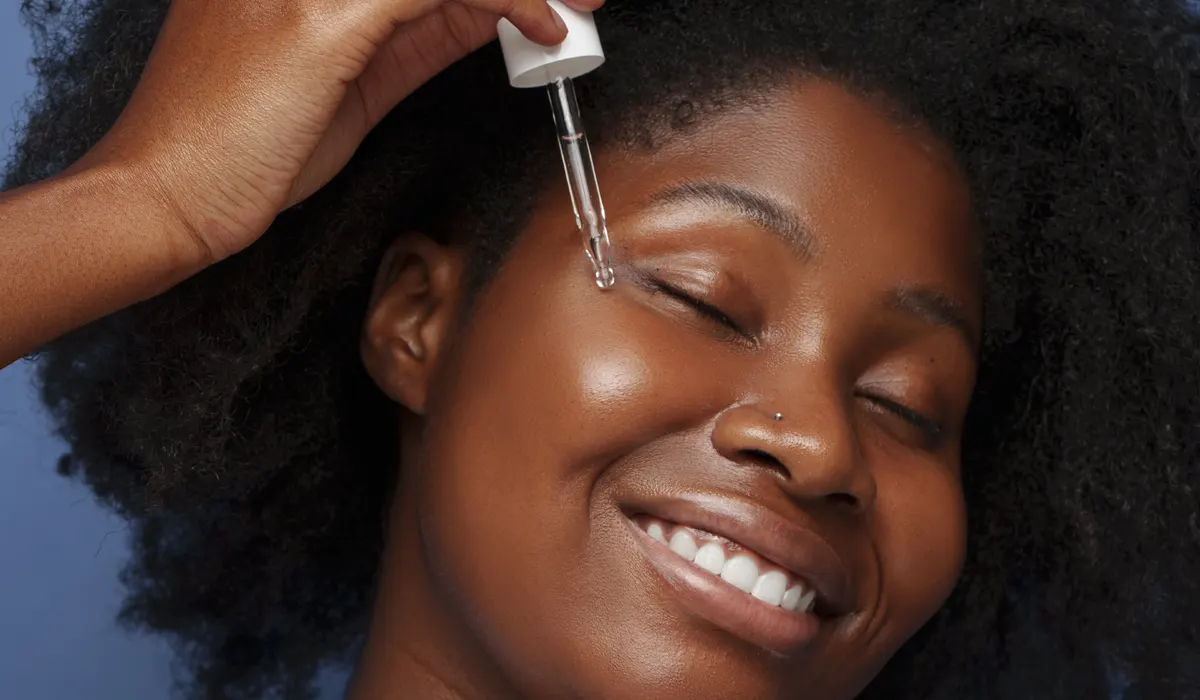
On Instagram, Kampala influencers post flawless selfies captioned “just self-care,” but behind the scenes, there’s often more than facials and water involved. Clinics advertise glow drips that promise to “brighten and rejuvenate the skin from within,” while some import injectable whitening formulas for “radiant melanin correction.”
But of course, Uganda’s beauty trends didn’t emerge in isolation. Like much of Africa, they’re rooted in a long, painful history of colourism; the idea that lighter skin equals higher beauty or social value. This is further cemented by yet another saying amongst Ugandans, “yade yadeko ng’omubi omweru,” loosely translating to “although ugly, at least he/she is light-skinned” The only thing that’s changed is who can afford to act on it.
In earlier years, skin-lightening creams were tools for the masses; cheap tubes promising “instant fairness.”
At Gazaland in downtown Kampala, endless shops and stalls have walls filled with potions and concoctions for skin bleaching. There is BB clear lightening eclaircissant vitamin, retinoids, White Secret–the whiteners even feature a helpful illustration of the before and after with a brown pair of legs and a white one promising the buyer “restorative ultra-fast action whitening.” Beauty now lies beyond the eyes of the beholder. And of course, only to cause adverse side effects like spotting and discoloured patches in some cases.
Today, Kampala’s upper class opts for medical-grade whitening drips, chemical peels, and imported serums. Expensive, true, but flowless. And that is what makes them a class divider.
In essence, beauty has become a class marker. Those who can afford safer, “professional” procedures look down on those using unregulated creams, but in the end, both groups are chasing the same ideal: a lighter, more “flawless” look.
The Uganda National Bureau of Standards (UNBS) even banned products containing hydroquinone and mercury, but that hasn’t stopped the market. A 2022 local study found that about 27% of Ugandan women had used skin-lightening products at least once, a figure echoed by WHO’s Africa-wide reports on the prevalence of skin bleaching in Africa. And as The Observer’s article painted the picture in Beauty now lies beyond the eyes of the beholder; individuals are taking the initiative themselves.
“He once encountered a beautiful light-skinned woman at a bar and they hit it up and left for his place. She was a very beautiful lady, but then when she took a shower, he thought he had taken home a leopard or cheetah; he said, her knuckles and toes looked remarkably different from her light complexion on the face.” The Observer
And the motivation? “Better skin, better opportunities, better social standing.”
Beauty has always been aspirational, but in this era of TikTok and Instagram, it’s become performative. Influencers and media personalities, many with sponsorships from beauty clinics, subtly normalise these enhancements. You’ll often see posts with captions like “self-care Saturday” or “detox glow session”, tagged to aesthetic centres offering “vitamin infusions” or “melanin toning.”
It’s no longer just marketing its identity branding, a term we discuss in Influencer Marketing in Uganda: Why Billboards are Out in 2025. As followers consume these images daily, they gradually redefine what “normal beauty” looks like. The result? A silent pressure to keep up, to glow brighter, to “fix” yourself even when you were never broken.
Worse, we rarely consider the side effects of a product that turns dark to light. Medical professionals warn that many whitening injections and IV drips have little scientific backing, especially those sold without dermatologist oversight. Some mixtures contain harmful chemicals or excessive doses of glutathione, which can stress the liver and kidneys.
The same goes for unregulated creams. Hydroquinone, once a common ingredient, can cause skin thinning, uneven pigmentation, and long-term damage…and yet, clinics continue to operate, sometimes under the radar, sometimes with “wellness” branding that sidesteps cosmetic regulation entirely.
Dr. Anne Tendo, a Kampala-based dermatologist, once noted in a Monitor piece:
“We’ve medicalised vanity. People come in asking for injections, not treatment. They don’t want to heal, they want to transform.”
And that’s not catering for the psychological cost to the pursuit of flawlessness. The more filters and procedures dominate beauty culture, the harder it becomes for people, especially young women, to see themselves as enough.
Social psychologists link this to self-objectification, where individuals start viewing themselves through an outsider’s lens, constantly evaluating their “look” rather than living their lives. And with Kampala’s influencer-driven environment, the comparison never ends; who has the better glow, the rounder hips, the smoother tone? I mean, we all remember the “nyash wave” just recently. Amongst many young girls, the idea of having that Korean doll skin is greatly appealing.
It’s not just women, either. A growing number of men now seek facial peels, jawline fillers, and muscle-enhancement procedures, a quiet but rising market. Beauty, it seems, is now a gender-neutral business.
Some influencers, such as YouTuber Angella Summer Namubiru and a few beauty brands, are pushing back, promoting melanin appreciation, natural hair movements, and Afrocentric beauty campaigns. TikToks and Instagram reels of natural black beauties have been on the rise recently. But it is still a question of whether this authenticity will ever be as viral as perfection. Not to mention that while natural is great, many men would easily pick a light-skinned dame in the stead of her darker counterpart.
And for that, Kampala’s beauty scene isn’t slowing down. Clinics continue to expand; more influencers join brand partnerships, and even mid-income earners are saving for “glow” sessions. At the very least, a brightening lotion for that clear skin.
