
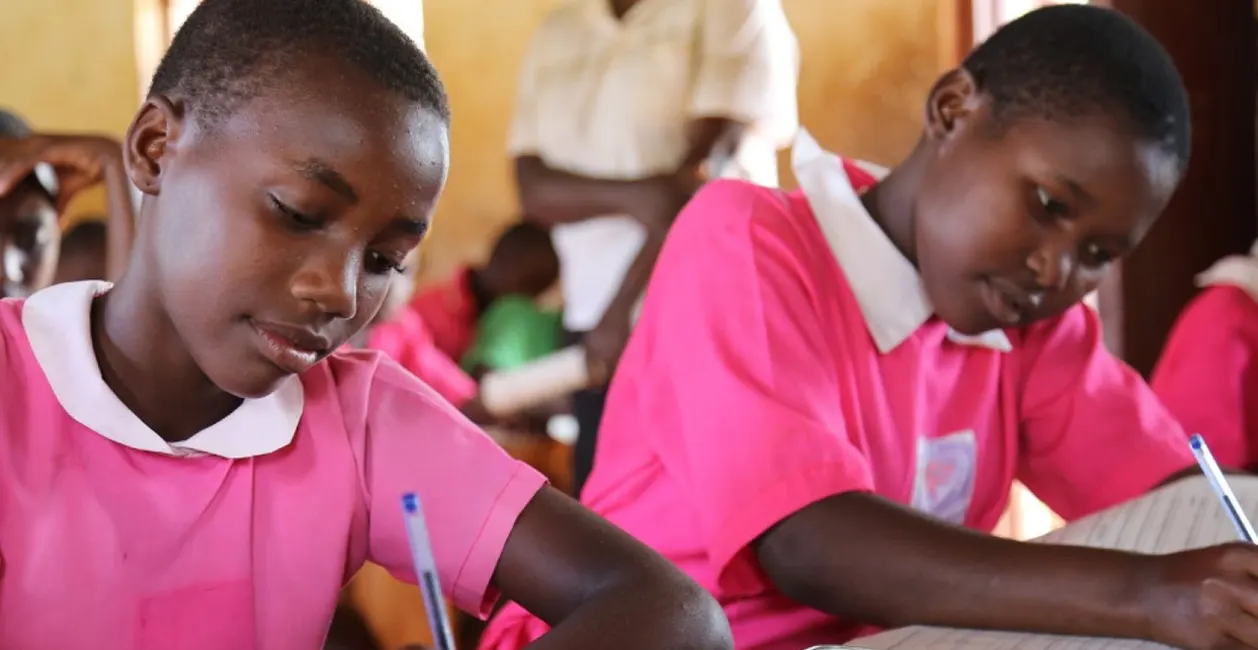
2026 is upon us, and for many students across Uganda, the long holiday is drawing to a close as preparations for a new academic year begin. Uniforms are being bought, school requirements checked, and conversations about fees and reporting dates are once again taking centre stage in homes across the country.
For learners joining Senior One and Senior Five, this season comes with even greater anticipation and pressure. New schools, unfamiliar environments, and higher academic expectations not just for students, but for parents and teachers as well, all adjusting to new routines and responsibilities.
Uganda’s education system operates on a three-term academic year for pre-primary, primary, and secondary (Both O & A-level) schools. According to the official calendar issued by the Ministry of Education and Sports, the 2026 academic year will run for a total of 260 instructional days. Both public and private schools in Uganda are required to follow this calendar unless granted written permission by the Ministry to operate otherwise.
Term-by-Term Breakdown of the 2026 School Year for Primary and Secondary Schools
Opening date for Term One: Monday, 2 February 2026
Closing date for Term One: Friday, 1 May 2026
Length: 89 instructional days
Term One Holiday Period: 2 May – 24 May 2026
Term I (the first term of the academic year) usually marks the foundation of the academic year. New classes settle in, teachers introduce core concepts, and learners, particularly those joining new schools, adjust to routines and expectations. Parents are encouraged to ensure learners report on time, as the early weeks of Term I often set the pace for the rest of the year.
Opening date for Term Two: Monday, 25 May 2026
Closing date Term Two: Friday, 21 August 2026
Length: 89 instructional days
Term Two Holiday Period: 22 August – 13 September 2026
Term II (the second term of the academic year) is typically the longest uninterrupted learning period of the year, as it is largely dedicated to syllabus coverage, continuous assessment, and co-curricular activities such as sports and academic competitions. For examination classes, consistent attendance during this term is especially critical, as much of the examinable content is consolidated during this period
Opening date for the Third Term: Monday, 14 September 2026
Closing date for the Third Term: Friday, 4 December 2026
Length: 82 instructional days
End-of-year holiday Period: 5 December 2026 – 31 January 2027
Term III (the third term) marks the end of the academic year and is typically characterised by final assessments, national examinations, and promotion decisions. The longer end-of-year holiday that follows allows learners time to rest and recover, while schools prepare administratively and academically for the next academic cycle.
Special Reporting and Placement Dates
In addition to general term dates, the Ministry has provided specific placement and reporting timelines for students transitioning to new education levels. These timelines are designed to help schools manage admissions smoothly while giving parents sufficient time to meet requirements such as fees, uniforms, and accommodation, where necessary.
Senior One placement: 29 – 30 January 2026
Reporting date for Senior One O-level Students: 16 February 2026
Senior Five placement: 12 – 13 February 2026
Reporting date for Senior Five A-level Students: 23 February 2026
Parents are advised to clearly distinguish between placement dates and actual reporting dates, as these do not always coincide with the general term opening dates.
Official School Hours
To standardise learning time across the country, the Ministry of Education and Sports has also set recommended school hours:
Primary and Secondary schools: 8:00 a.m. – 4:30 p.m.
Pre-primary schools: 8:00 a.m. – 12:00 noon.
These guidelines are intended to balance effective learning with learner well-being, particularly for younger children who may not cope well with extended school hours.
Learning Beyond the Classroom
The national school calendar also accommodates co-curricular and enrichment activities that play an important role in holistic education. These include Music, Dance, and Drama (MDD); science fairs and exhibitions; and debates and sports activities.
Such programmes help learners develop confidence, creativity, teamwork, and practical life skills, complementing academic instruction beyond examinations.
The Ministry of Education and Sports has also emphasised several key points to ensure smooth implementation of the 2026 school calendar:
#1. Schools must not alter term dates without official written permission from the Ministry
#2. Parents and students should rely on verified Ministry communication rather than unconfirmed social media reports
#3. Any claims of sudden calendar changes should be treated with caution
This guidance is intended to protect learners from unnecessary disruption and to ensure consistency across the country’s education system. For more, visit education.go.ug
