
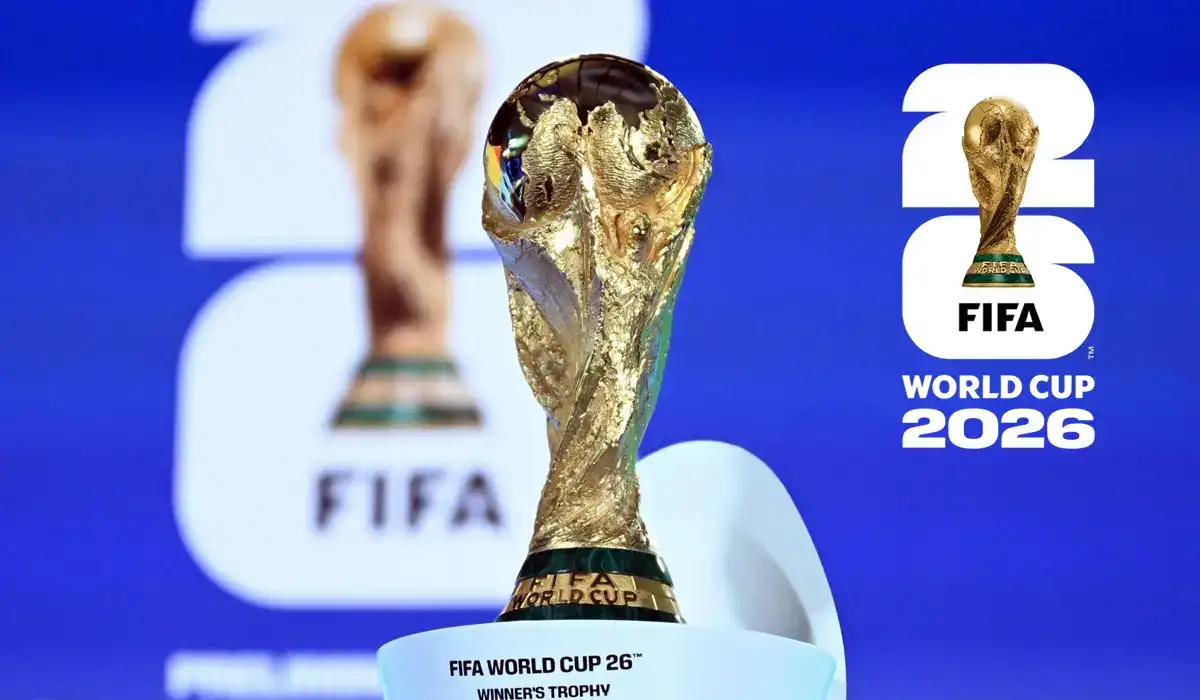
The FIFA World Cup stands as the biggest sports event on our planet. If you haven’t closely been following the tournament and are considering starting with the 2026 World Cup, the facts below are a good place to begin, as they highlight the changes and milestones that make this edition unique.
#1. The Biggest World Cup Ever (48 Teams)
Previous World Cups, including Qatar 2022, featured 32 teams. FIFA World Cup 2026 expands that number to 48 nations.
This adds 16 more countries into the mix, increasing global representation and changing how qualification and group dynamics play out. More fun!
#2. Three Host Countries
Past world cup tournaments were always held in one country, except for the 2002 edition, which was jointly hosted by Japan and South Korea.
The 2026 FIFA World Cup expands hosting to three countries, the United States, Canada and Mexico, with matches spread across 16 cities.
#3. From 64 to 104 Matches
The increase in teams brings more games.
The 2026 tournament features 104 games, up from 64 in previous world cups, stretching the tournament timeline and giving fans more football.
#4. Eight Matches to Win the Trophy
In 2022, Argentina lifted the World Cup trophy after seven matches.
In the current format, the 2026 World Cup winner will now play eight games. This adds an extra knockout step and increases pressure on teams.
#5. More Third-Place Teams Progress
In earlier formats, finishing third in a group meant going home.
In this world cup, the best-performing third-placed teams move into the knockout rounds, keeping more nations active deeper into the competition and increasing late group-stage tension.
#6. 1,000th Match Milestone
The FIFA World Cup has existed since 1930, about 96 years of history. The Japan vs Tunisia match played on 20 June 2026, marked the 1,000th match in World Cup history.
#7. Longest World Cup in History
Previous FIFA World Cup tournaments usually ran for 28 to 32 days.
The 2026 edition stretches to around 39 days, making it the longest World Cup so far due to the expanded format and increased number of fixtures.
#8. Faster Game Rules
FIFA introduced stricter timing rules to reduce delays during matches.
Starting with this edition, referees now enforce a five-second limit for throw-ins and goal kicks, while substituted players must leave the pitch within 10 seconds.
#9. Mandatory Hydration Breaks
Climates vary widely across North America.
To protect players, short mandatory water breaks are now built into matches, replacing the earlier system where stoppages depended mainly on weather conditions.
#10. Estadio Azteca Stadium
Estadio Azteca in Mexico City is the first stadium in history to host matches across three different FIFA World Cup tournaments.
The stadium previously hosted World Cup matches in 1970 and 1986, and now returns for the 2026 edition.