
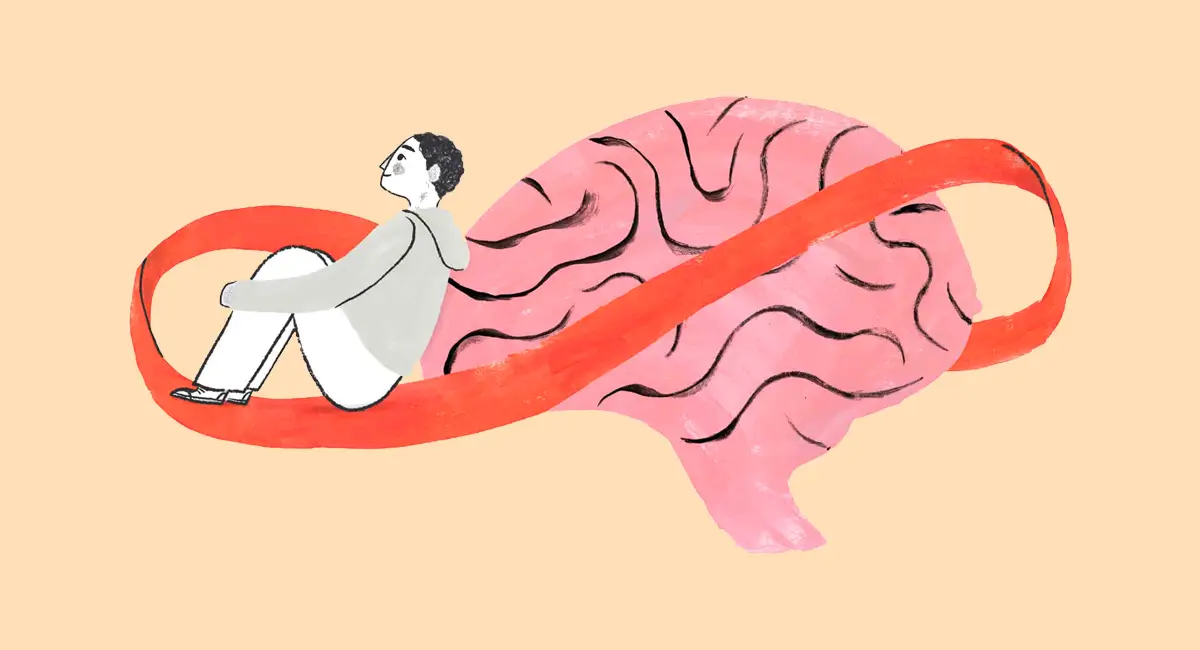
For a long time, science treated the mind and the body as separate. Today, research is revealing just how they are in constant conversation, and that conversation is shaping our health more than we thought.
It works both ways. When stress, anxiety or depression persist, the body’s defence system feels it. Under chronic stress, the body releases high levels of stress hormones like cortisol. And over time, cortisol suppresses the immune cells that fight infection.
That is why people under prolonged pressure often catch more colds, heal more slowly from wounds, and respond poorly to vaccines.
Interestingly, the same stress also fuels low-grade inflammation in the blood, the kind of inflammation now linked to heart disease, diabetes, and other non-communicable diseases.
When your body is fighting an infection, healing an injury, or dealing with long-term inflammation, your immune system sends out alarm signals called cytokines. These travel in your blood up to the brain and can cause what doctors call sickness behaviour, which includes fatigue, loss of drive, pulling away from others and feeling low. For many people, this looks and feels exactly like depression. And research now shows a clear link.
A good number of patients with depression and anxiety are found to have higher levels of inflammation in their bodies. In some cases, inflammation makes their symptoms worse and makes standard treatment less effective.
The connection is complicated. It involves stress hormones, nerves that control functions such as heartbeat, immune cells in the blood and brain, and even the gut. If stress and inflammation persist for too long, they can feed each other; stress worsens inflammation, and inflammation worsens stress.
But there is encouraging news in all this. Talking therapies, especially cognitive behavioural therapy, have been shown to lower inflammation in the body.
What can also make a difference are everyday habits that we often overlook, such as getting enough sleep, staying physically active, maintaining strong social ties, and managing stress in healthy ways. Together, these habits can help reduce stress, support your immune system and improve your overall wellbeing.
For some people with depression who also have high inflammation, scientists are now exploring whether anti-inflammatory treatments could offer extra help alongside standard care.
What we once thought of as two separate worlds, the mind and the body, we now know is one tightly connected system. When you look after one, you almost always help the other.