
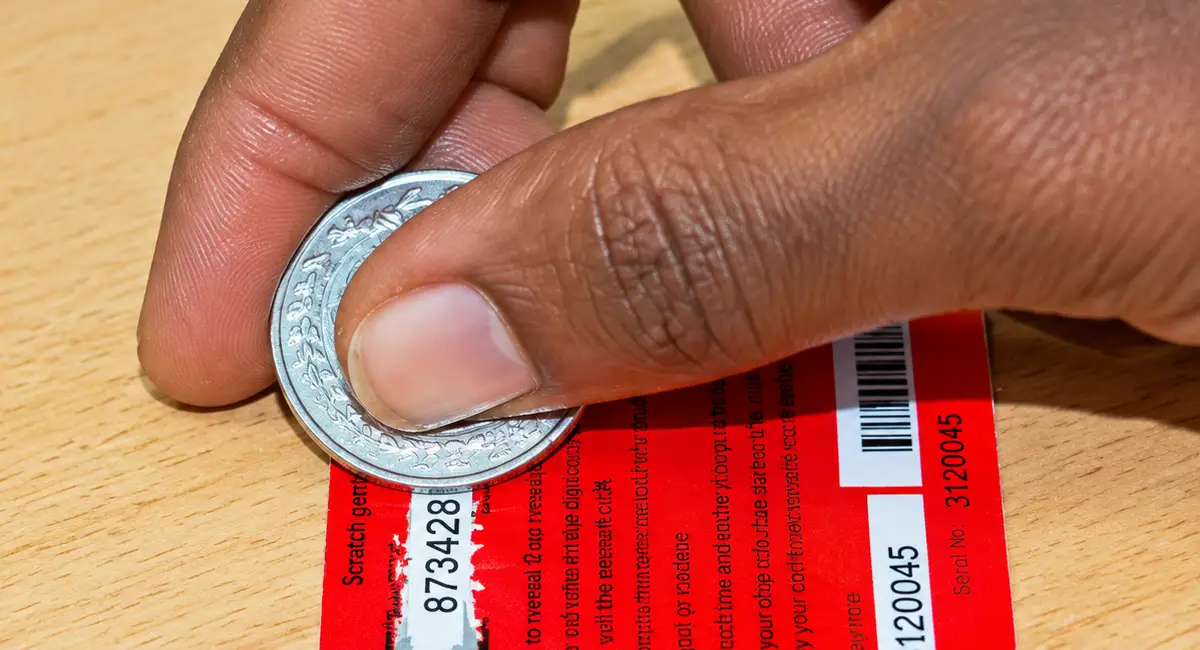
Tanzania is phasing out physical airtime scratch cards to promote digital payments and expand electronic recharge services. The Tanzania Communications Regulatory Authority (TCRA) announced the plan in a public notice issued on 8 October 2026.
The transition follows public awareness campaigns launched on 1 October, with the initial phase scheduled to take effect on 1 January 2027. The pilot will cover all districts in Dar es Salaam and selected districts in Dodoma, Arusha, Mwanza and Mbeya. Authorities will announce a nationwide implementation date later.
Under the plan, subscribers will adopt digital recharge methods, including mobile applications, USSD codes, mobile money wallets, bank ATMs and authorised banking agents. Major operators affected include Vodacom Tanzania, Airtel Tanzania, Yas (formerly Tigo), Halotel and the state-owned Tanzania Telecommunications Corporation (TTCL). The move is said to reduce the environmental impact of physical vouchers and support the country’s transition towards cashless (digital) financial services.
Uganda’s 2018 Airtime Scratch Card Ban Reversal
Uganda attempted a similar transition in 2018 when the Uganda Communications Commission (UCC) announced plans to prohibit airtime scratch cards, setting 31 July 2018 as the deadline. Unlike Tanzania’s emphasis on digitalisation and environmental concerns, Uganda’s directive was driven largely by security concerns over unregistered SIM cards and their alleged links to criminal activities.
Lawmakers and the public strongly opposed the ban, prompting the government to reverse the decision on August 9, 2018. However, because MTN, Airtel, and Africell, Uganda’s top telecom operators at the time, had already stopped printing and distributing scratch cards ahead of the ban, the market shift was unstoppable. Electronic airtime purchases seamlessly took over as vendors sold out the remaining paper stock.
Kenya’s Digital Adoption Without Ban
Known for a robust cashless economy in the region, Kenya has never enacted a formal statutory ban on physical scratch cards from the government or the Communications Authority (CA). Instead, their phase-out happened organically.
The rapid, near-universal adoption of Safaricom’s M-Pesa ecosystem, alongside digital offerings from Airtel Kenya and Telkom Kenya, shifted most users to electronic top-ups. Airtime scratch cards remain legal and are still printed and sold at small kiosks to serve rural markets.
And now, the big question: Does Tanzania need a government-led phase-out to move from airtime scratch cards to digital recharges, or can its major telecoms and market demand drive the transition, as Kenya’s experience suggests?