
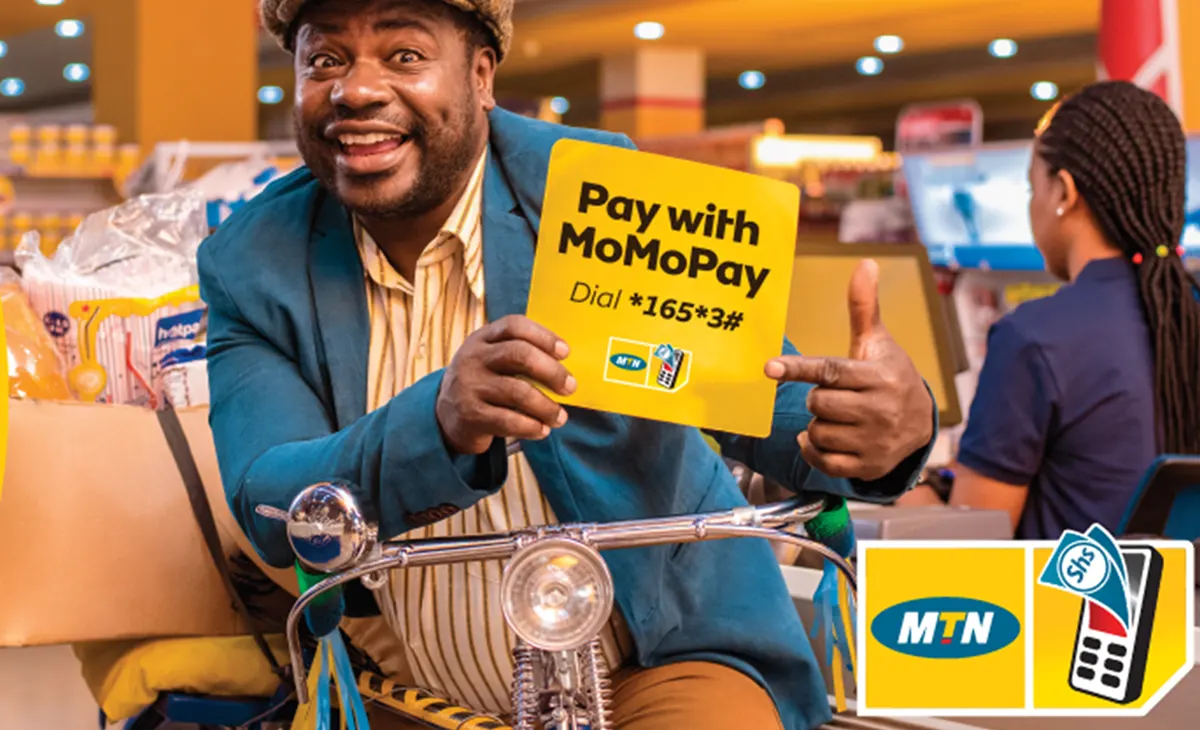
Everywhere you go, MTN Uganda follows, not just in the calls you make, but in the yellow shadow that clings to your daily life. It’s a brand that never lets you forget it exists, mastering the art of advertising in Uganda like no other of its time.
From the countless agents with their ‘MoMo from MTN available here’ signposts in every trading centre, to sponsorship signage in taxi parks, and memorable TV and radio campaigns like What do crocodiles eat, Jeeery Jerry Jerrycaan, Bosco Katala wa City, Osmosis, and Mr Google Sir, MTN has built a constant and almost unavoidable presence in Ugandan life.
Now pause for a moment; Without advertising, would MTN still feel unstoppable? Yes, its latest ‘Together, we’re unstoppable’ campaign reinforces the influence they have built over the years, but what happens if that voice suddenly goes silent?
Picture this: you walk through Kampala, and the once-bright MTN banners now hang faded and torn, no longer replaced. Tune into three consecutive TV segments, and not a single MTN advert comes into view. Moments when you could even spend the whole day listening to the radio, yet no familiar jingle or mention of MTN is aired. Checking your phone? Nothing! No “Y’ello” SMS offering bundles, no YouTube ads reminding you of MTN.
As five months go by, mobile money and bundle alerts are the only reminders that you’re still an MTN subscriber. By the sixth month, the once-bright yellow presence has slipped into oblivion, showing how quickly out of sight becomes out of mind.
Without constant advertising, MTN would quietly slip from the centre of Ugandan consciousness. Even with over 20 million existing customers still making calls, buying airtime, subscribing to bundles, and transacting via mobile money, each day that passes without a reminder of the brand gives competitors a chance to make their presence felt. Airtel Uganda, Lycamobile, and other new entrants with fresh campaigns would step into the vacuum, using different advertising styles to shape perception and gradually overshadow MTN.
At that point, new customers, especially those considering their first SIM, are likely to be swayed by whoever is loudest in the market. MTN’s silence would give competitors a chance to promote offers and coverage, running ads that plant seeds of doubt; after all, no single provider is ever the best at everything.
Even loyal MTN subscribers may quietly wonder if the network is struggling, whether its services are still the best, or if another provider now offers more value.
This is where advertising sheds its role as a sales pitch, serving as reassurance that the network is strong, active, and relevant. In doing so, MTN’s ads aren’t merely promoting bundles or celebrating moments but occupy mental space, leaving competitors struggling to be noticed even when some have better offers. Without that presence, the balance begins to shift, and what once felt certain starts to wobble.
Gradually, the yellow that once dominated signposts, taxis, and MTN-painted buildings across upcountry trading centres fades into memory, as people begin to drift almost without noticing. One SIM card switches to a competitor for a cheaper weekend bundle, while another user tries a new mobile money platform simply because it is visible and familiar. Market share doesn’t collapse overnight; instead, it is slowly picked apart as competitors take advantage of the silence, showing how consistent visibility builds trust, and how trust shapes choice.
So yeah, advertising keeps brands alive in everyday conversation. Six months without ads would not be just a pause but an opening, one that allows competitors to grow, for doubt to spread, and for loyalty to thin. That reality explains why MTN Uganda keeps advertising even while dominating with about 47% of the total market share.
For a brand like MTN, advertising isn’t optional or just about direct sales; it’s as vital as network coverage itself. Stop the ads, and suddenly the “unstoppable” isn’t quite so unstoppable.