
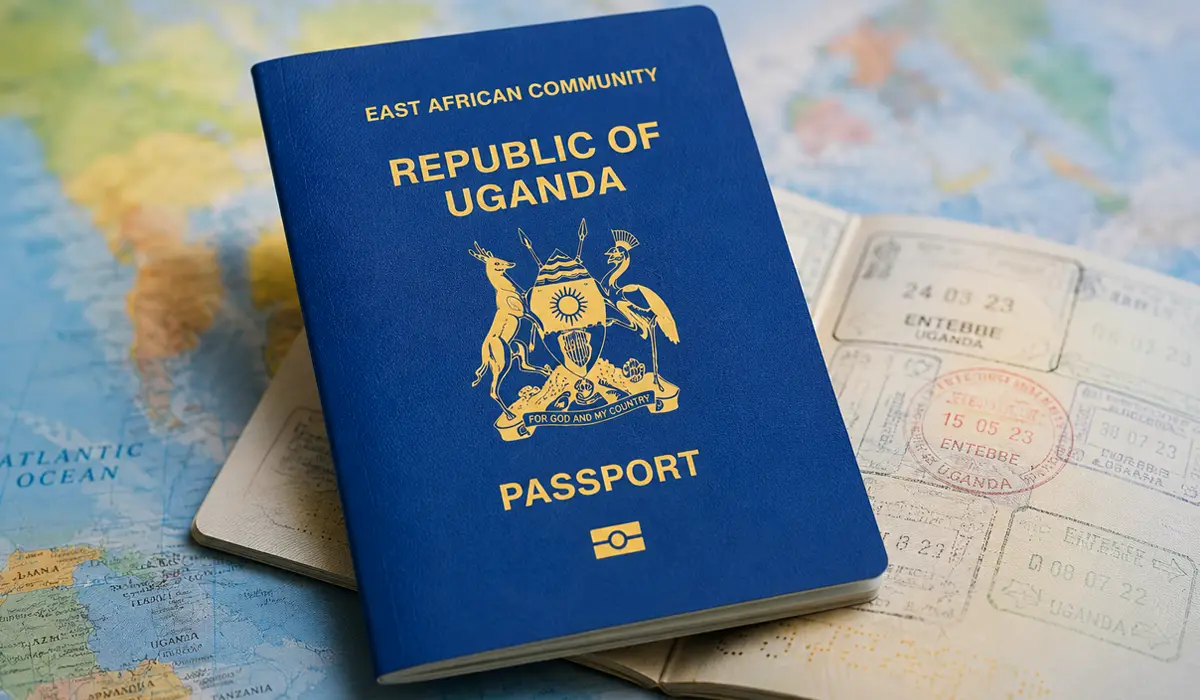
Travelling abroad is a common goal for many Ugandans, whether for leisure, study, business, or simply the adventure to see another part of the world. It often feels like a milestone, a sign that life is moving forward.
But anyone who has tried it knows the process is rarely simple. Visa forms, the queues outside embassies, interviews, bank statements, anxious waiting periods, and, of course, the constant fear of rejection all form part of the experience.
We treat this as normal, yet for citizens of some countries, the international travel process is completely different and astonishingly simple. A person from countries like Singapore or Japan can wake up one morning, book a flight to dozens of countries, pack a suitcase, and board a plane with minimal visa paperwork, often without embassy visits, a stack of supporting documents, or nervous explanations about “intent to return home.” Just a passport and a ticket.
Why? That difference comes down to something known as passport power. And as strange as it may sound, that tiny booklet says a lot about how the world sees your home country.
What Does “Passport Power” Mean?
When we speak of a “powerful passport,” we are referring to how many countries a holder can enter easily without requiring a traditional visa in advance. A strong passport usually offers Visa-free travel, visa-on-arrival, or simple electronic travel authorisations.
A weaker passport, meanwhile, often requires travellers to apply for visas in advance, sometimes weeks or months before travel. This is a reality many Ugandans face when applying for entry to Western countries.
As for how these “powers” are measured, organisations such as Henley Passport Index rank passports by the number of destinations their citizens can access without a pre-approved visa every year. In recent years, passports from countries such as Singapore, Japan, and several European nations have consistently ranked among the world’s strongest, with easy travel access to over 180 countries.
By comparison, many African passports, including our dear Uganda, sit much lower on the scale, limiting global travel.
But passport power is not merely about tourism/travel. It also reflects the level of trust other nations place in your home country. As mentioned earlier, a passport says a lot about your home, basically your country’s reputation score.
The uncomfortable truth about international travel is that immigration systems are built heavily around perception. When another country evaluates your passport, it is indirectly assessing: your country’s economic stability, political climate, security systems, diplomatic relationships, levels of illegal immigration and visa overstay, and the likelihood that its citizens will respect immigration rules.
This is why travellers from wealthier, stable countries are often considered low risk, while those from developing nations face stricter scrutiny. It may feel unfair, and in many cases, it is, but it remains the structure of modern travel systems.
A hardworking Ugandan with a steady income and genuine intentions can still face more barriers than someone from a stronger passport country. Not because of personal character, but because nationality becomes the main filter.
Two people with similar age, education, and finances can have completely different travel experiences depending only on their passports. A Singaporean will book a ticket and travel with ease, while a Ugandan will have to spend weeks gathering documents, paying non-refundable visa fees, and still face no guarantee of approval.
This is where passport power quietly shapes people’s lives in ways many do not initially notice. It affects who travels easily, who studies abroad, who attends international conferences, who builds global business networks, and who sees the world as accessible versus distant.
A strong passport expands access before any journey begins… they just have to reach for it. A weak one often turns travel into a long negotiation.
Why Are Some Passports Super Strong?
Take Singapore; its passport ranks among the strongest because the country has built a stable economy, strong governance, effective immigration systems, low corruption levels, and wide diplomatic relationships, which have, over time, created trust. Other countries believe Singaporean travellers will follow rules and return home when required, which leads to visa-free agreements.
In other words, powerful passports are rarely about the document itself. They reflect how the world views the country behind it. Stable economies, strong institutions, and positive international relations tend to translate into greater travel freedom for citizens.
As for Uganda, we are still developing in these areas, and for many people here, travel abroad is not just about leisure. More often, it is for survival, education, or better opportunities. Because of this reality, immigration authorities in stable countries often approach applications from developing nations cautiously, concerned about visa overstays or illegal migration.
As a result, ordinary Ugandans often carry the weight of assumptions based on national statistics rather than individual profiles. Many rejected applicants are genuine travellers, students, or professionals, yet the system still evaluates them through collective risk patterns.
And anyone who has stood outside an embassy at dawn already knows this reality.
People raised in countries with strong passports often grow up assuming the world is open to them. International movement feels normal, accessible and even expected, while for those in weaker-passport countries, foreign travel can feel more like seeking permission.
And while that distinction seems subtle, it shapes ambition itself.
A child growing up in London or Singapore may naturally consider studying in Paris, working in Canada, or vacationing in Dubai. For most Ugandans, those same options feel distant, not because of ability, but because of access barriers.
Can Passport Strength Improve?
Passport strength improves over time when countries strengthen their economic stability, governance, diplomatic relationships, security systems, tourism appeal, international trust, and regional cooperation.
Regional agreements have already made travel within parts of Africa easier, including movement within East Africa, where Ugandans can travel with fewer restrictions.
And while our passport may not currently rank among the world’s strongest, the position is not fixed forever. Countries develop, and diplomatic ties evolve.
Singapore itself was not always a global powerhouse.
As of May 2026, the Ugandan passport ranks 70th globally and offers visa-free or visa-on-arrival access to around 67 countries.