
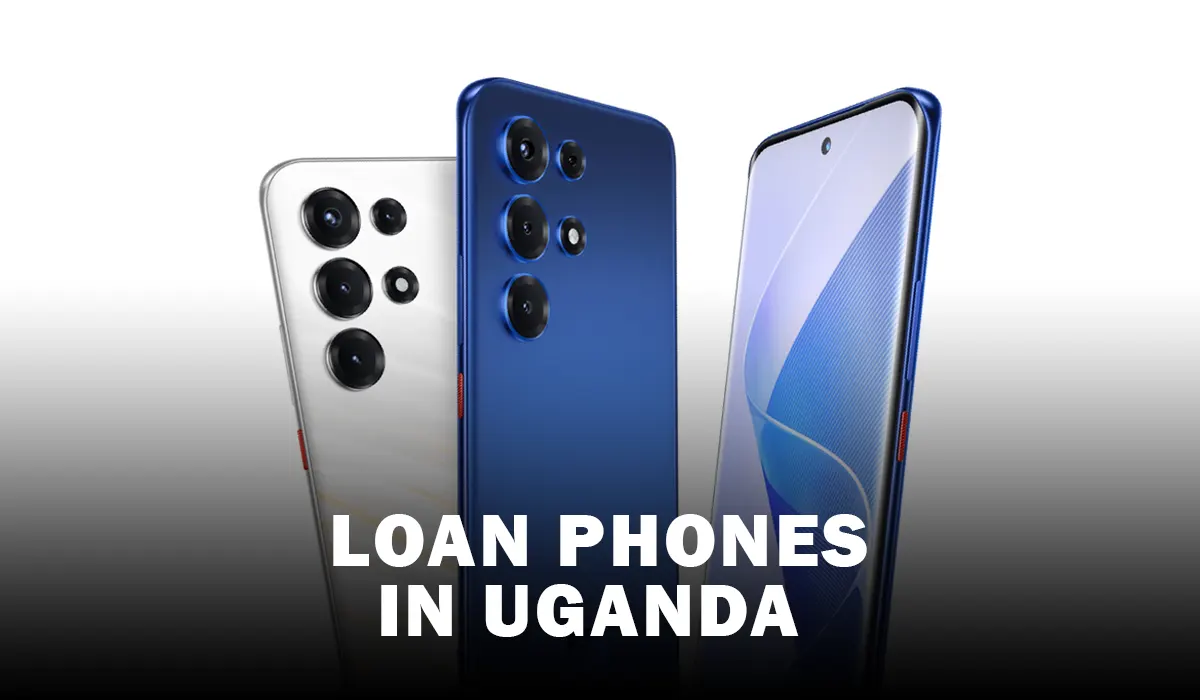
Phones and other smart gadgets have become an integral part of our daily lives. From communication and work to entertainment, learning, and even payments, the modern smartphone is no longer a luxury for many people; it is a necessity. Unfortunately, we do not always have the ability to procure one in a single cash payment. Many of us have eyed those high-end phones with massive batteries, sharp displays, and impressive camera setups, only to realise that the price is far beyond our immediate reach.
This is the gap that hire purchase and phone financing schemes aim to fill. For anyone in Uganda, names like M-KOPA and MOGO Smartphones are fairly common, having positioned themselves as pioneers in providing what are popularly known as “phones on loan.” With a new year upon us, the question naturally arises: Is getting a phone on loan really worth it? What are the benefits, the caveats, and the “I should have known” aspects of committing to such an arrangement?
As someone who has personally procured one of these gadgets through a loan arrangement, allow me to walk you through everything you need to know, and of course, without the sales pitch.
What Exactly Is a Loan Phone?
A loan phone is simply a smartphone acquired through a financing or hire purchase agreement rather than a one-time cash payment. Instead of paying the full cost upfront, you pay a deposit (sometimes very small) and then clear the balance in daily, weekly, or monthly instalments over an agreed period.
In Uganda and many other African markets, loan phones are commonly offered through multiple pathways: device financing companies such as pay-as-you-go providers like M-Kopa, through mobile network operators that bundle devices with data or voice plans, with a prominent example being MTN’s Kabode smartphones, and retail shops partnered with microfinance institutions.
However, most of these arrangements come with conditions attached, such as usage restrictions, lock-in periods, or penalties for delayed payments. After all, you never really own the phone with pending payments.
How Phone Loan and Hire Purchase Schemes Work
While the details vary from provider to provider, the general structure is usually the same:
Initial Deposit: You pay a small upfront amount to receive the phone.
Scheduled Payments: Payments are made daily, weekly, or monthly via mobile money.
Usage Controls: If you fail to pay on time, the phone may be locked remotely or have limited functionality.
Ownership Transfer: Once all payments are completed, the phone becomes fully yours.
On paper, this seems simple and convenient. In practice, the fine print is where things start to matter.
The Advantages of Getting a Phone on Loan
There are real benefits to phone financing, which explains why it remains popular in countries like Uganda.
#1. Immediate Access to a Smartphone: You do not need to wait months to save up the full amount. This can be crucial if you need a phone urgently for work, school, or business.
#2. Lower Upfront Cost: Instead of paying a large lump sum, you spread the cost over time, making it feel more manageable within your daily or monthly budget. The cheap initial deposit makes it easy to procure, for example, you could get an MTN Kabode phone with an initial deposit of UGX 45,000. And even with more expensive options offered by companies like M-Kopa, with about 25% of the market price, you could walk away with a relatively mid-high range phone.
#3. Predictable Payments: Most providers set a fixed payment amount, allowing you to plan ahead and budget more easily, especially if you have a stable income source.
#4. Access to Better Devices: The wallet dictates what you can buy. That’s a familiar enough sentiment that shows how much affordability depends on what you have. Without financing, many people would be limited to basic phones. Loan schemes make mid-range smartphones accessible to a wider audience, without the initial burden of purchasing a good phone.
The Disadvantages and Hidden Costs of Pay-As-You-Go phones
This is where reality often clashes with expectations.
#1. You Almost Always Pay More in the End: Sure, it might feel like a jackpot at the start, but when you add up all instalments, most loan phones cost significantly more than their cash price, with some going for up to 75% more. The convenience of pay-as-you-go often comes at a premium cost.
#2. Strict Payment Pressure: Loan phones often come with strict payment expectations, which is understandable from the providers’ side. On the customer’s side, however, missing payments can lead to phone locking or partial shutdowns, penalty fees, stress from constant reminders (because, believe it or not, they have to take the initiative to get you to pay), and, in some cases, a complete phone wipe. When you pay later, you begin with a fresh phone.
This pressure can be overwhelming, especially during months with unexpected expenses and financial setbacks.
#3. Limited Freedom of Use: Loan phones always come with usage restrictions. These can include network locking, so that only partnered networks work on the phone. A prime example is MTN’s Kabode phones, where only MTN Uganda data is usable. Some providers disable features until full payment, and in some cases, restrictions are not removed even after full payment. A notable example of blocked features is the ‘display over’ options. If you have a loan phone, chances are you can’t use applications that require “display over” permissions.
Not to mention, loan phones usually have no resale value until fully cleared, and some providers clearly forbid resale, regardless of whether the phone is fully paid.
#4. Technology Depreciates Fast: By the time you finish paying for the phone, newer and better models are already on the market, sometimes at the same price you are still paying off. While this is not usually an issue for people opting for loan phones, it can be frustrating if you prefer getting the best value for your money.
The “I Should Have Known” Moments of Phones on Loan
From lived experience, these are the things people often realise too late:
Daily payments add up faster than expected. UGX 500 or 1,300 a day, or even 50,000 a month, may seem small, but they accumulate quickly. If your income isn’t stable, these payments can become stressful.
Missing a few payments can snowball into serious inconvenience. Some providers add penalties or interest; others wipe your phone of all data for non-payment.
A cheap phone bought outright often serves the same purpose. Loan phones are convenient, short-term, but the total instalments usually cover two phones, or one much better device.
The excitement of a new phone fades, but the payments do not. The rush of unboxing wears off quickly, and within a few months, many already dread the cost.
When Getting a Loan Phone Makes Sense
A phone on loan can be worth it if you need a smartphone urgently for income-generating work, have a stable and predictable income, can comfortably afford the instalments, and fully understand the total amount you will pay. In such cases, the phone becomes an investment rather than a burden.
When You Should Avoid Phone Financing
You should think twice about a loan phone if your income is irregular, you are stretching your budget to afford a premium device, the provider is not transparent about penalties and the total cost, or you are already servicing other loans. In these scenarios, financing can quickly turn into financial stress.
Before committing to a loan phone, consider buying a slightly older model outright, opting for refurbished or fairly used phones, saving gradually to purchase in cash, or choosing function over status. These alternatives often provide better value with far less pressure.
That said, getting a phone on loan is neither inherently good nor bad, like all tools; its usefulness depends on how and when you use it. For some, it opens doors to productivity and opportunity. For others, it becomes an avoidable financial strain.