

If you are reading this, there is probably that one superhero who has been your favourite as long as you can remember, or perhaps one you are just starting to like, or are at least curious to learn more about.
You are in the right place. See, the love for superheroes, why people love Superman and many other superheroes, is not just about their powers, but also their personal lives, many of which are built on tragedy, especially the death of one or both of their parents. Under this title, I list popular superheroes who are orphans, how their parents died, and how being an orphan shaped some of them to become your favourite or least favourite heroes.
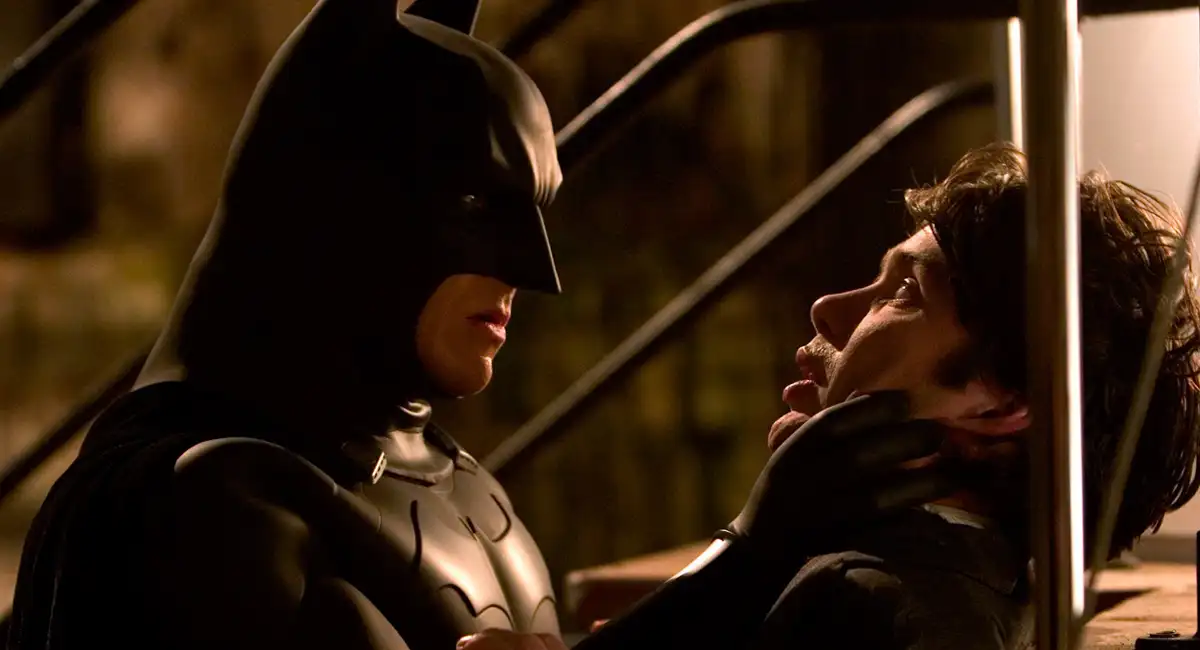
Batman (Bruce Wayne)
In Christopher Nolan’s Batman Begins (2005), young Bruce Wayne witnesses his parents, Thomas and Martha Wayne, being gunned down by a robber as they leave an opera performance early because of Bruce’s fear of the bat-like performers. Orphaned by this tragedy, Bruce Wayne is raised by the family’s butler and legal guardian, Alfred Pennyworth.
This dark moment, fuelled by Bruce Wayne’s guilt and fear, drives him to transform his trauma into a symbol of justice, eventually becoming the Dark Knight of Gotham to fight the crime that shattered his family.
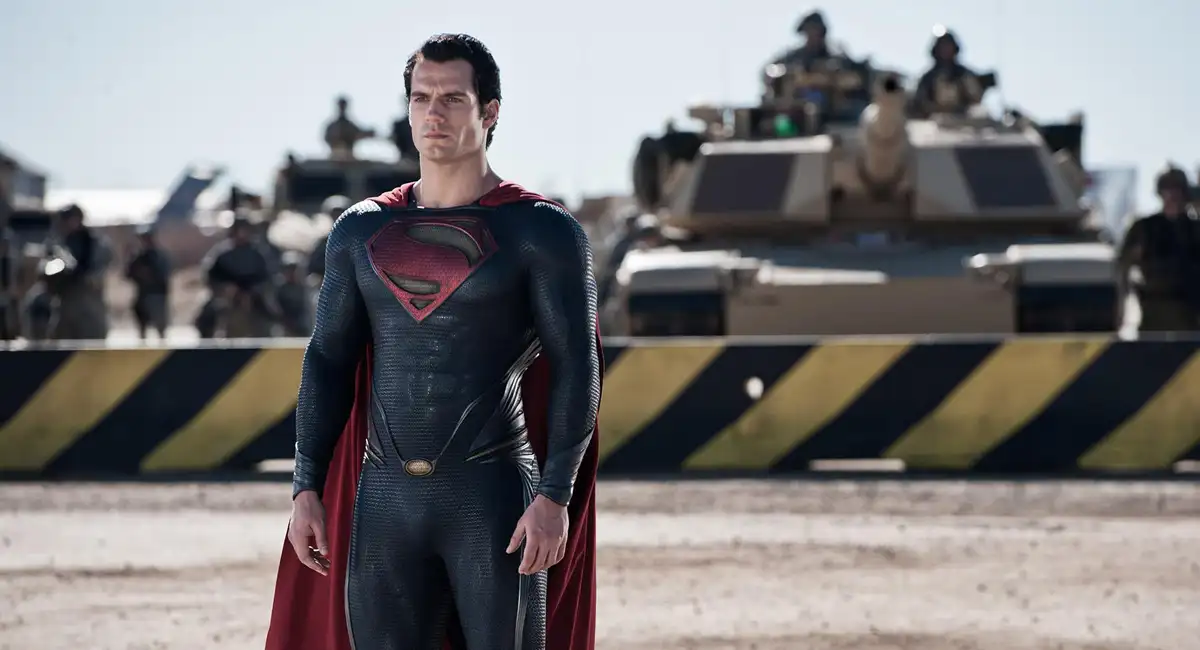
Superman (Clark Kent)
In Man of Steel (2013), when Superman’s biological parents, Jor-El and Lara Lor-Van, realise that Krypton’s core is collapsing and General Zod has launched a violent coup, they sacrifice their lives to send baby Kal-El to Earth.
Growing up with the Kents, Clark Kent fully embraces his identity as Superman to protect his adopted home, Earth, and his widowed mother, Martha Kent, after General Zod threatens her life in an attempt to turn Earth into a new Krypton.
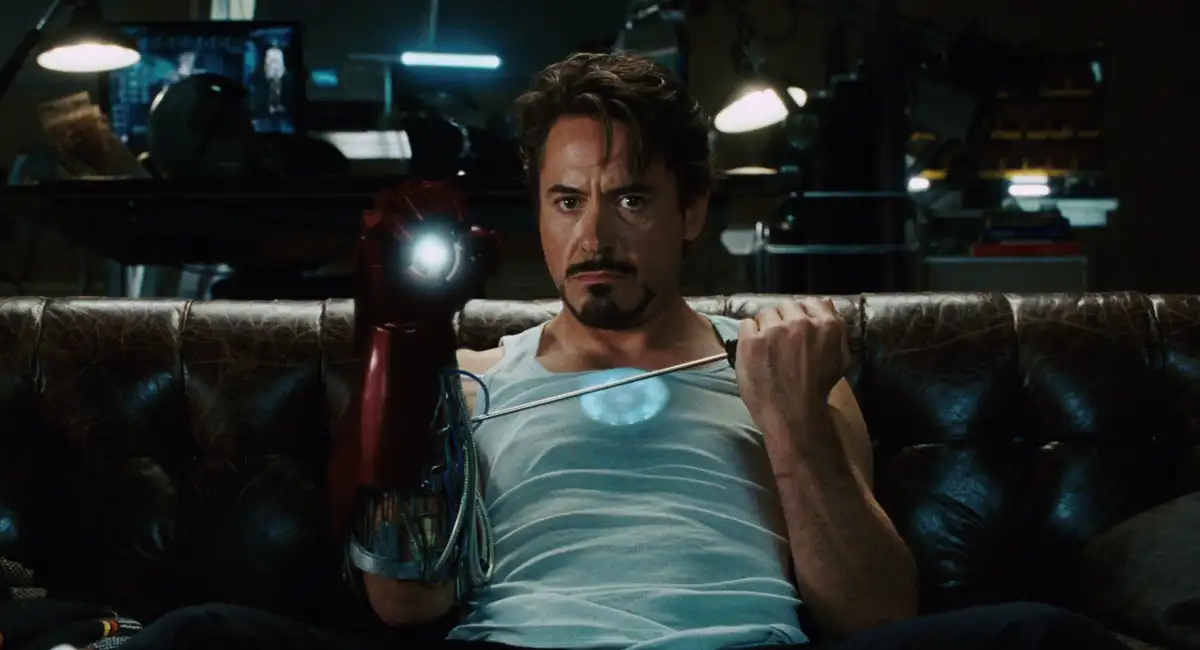
Iron Man (Tony Stark)
One could argue that the 1991 death of Iron Man’s parents, Howard and Maria Stark, did not initially create a hero, but rather a casualty. Unlike Batman, whose tragedy sparked an immediate quest for justice, the loss of Tony Stark’s parents left him a directionless, 21-year-old “playboy” billionaire who used his inheritance to fund a decade of recklessness.
It wasn’t until his near-death experience in Afghanistan that Tony Stark finally grew out of the shadow of his orphanhood. By building the Mark I suit in Iron Man (2008), Tony Stark didn’t just escape a cave; he finally accepted the weight of the Stark name, transforming from a grieving heir into a man determined to redeem his father’s complicated legacy.
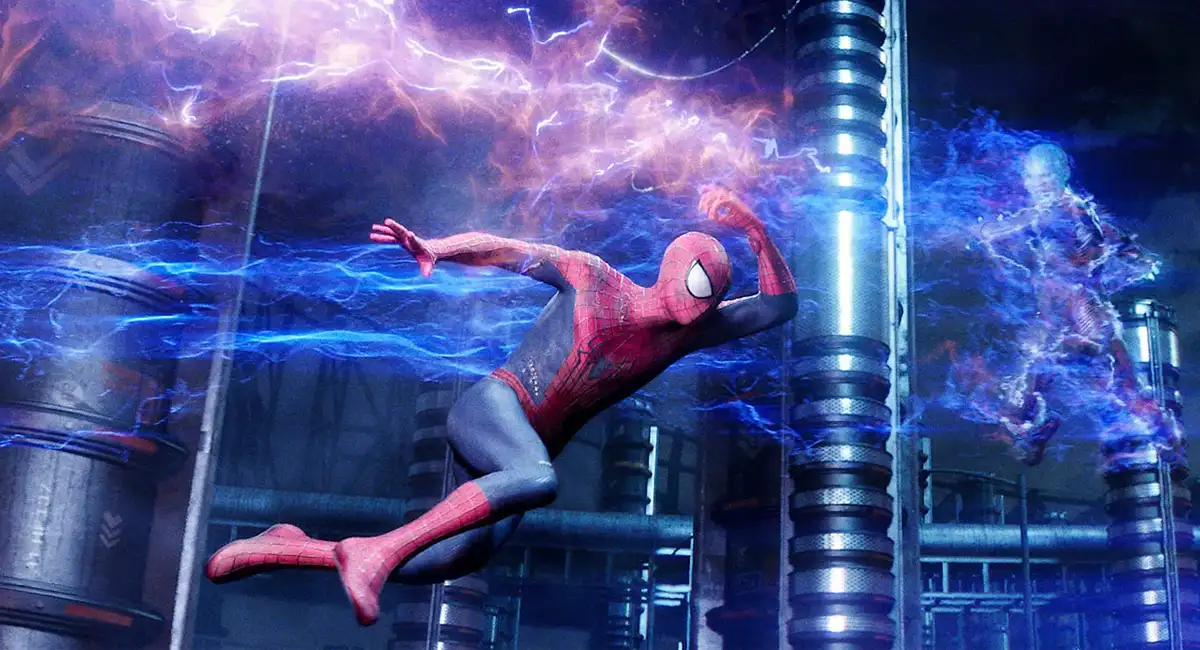
Spider-Man (Peter Parker)
Following the death of his parents, Richard and Mary Parker, who died in a plane crash, as later shown in The Amazing Spider-Man (2014), Peter Parker found a new home with his Aunt May and Uncle Ben. In The Amazing Spider-Man (2012), after a heated domestic argument that sent Peter storming out into the night, Uncle Ben left the safety of their home to search for him. While out, Peter petulantly let a thief escape, coldly stating it’s “not my policy” to help. Just minutes later, that same thief encounters and kills Uncle Ben, who was looking for his nephew, Peter Parker.
See, for Peter Parker, being an orphan carries irony: he grew up wondering why his biological parents had “abandoned” him, only to realise that he had failed the man who raised him. This guilt becomes the engine of his heroism. When Spider-Man fights crime, he does it to ensure no one else suffers because of his silence.
Fun fact: While many fans write it as “Spiderman,” it’s actually Spider-Man with a hyphen. Co-creator Stan Lee added the hyphen to ensure it didn’t look too similar to DC Comics’ Superman.
Magneto (Erik Lehnsherr)
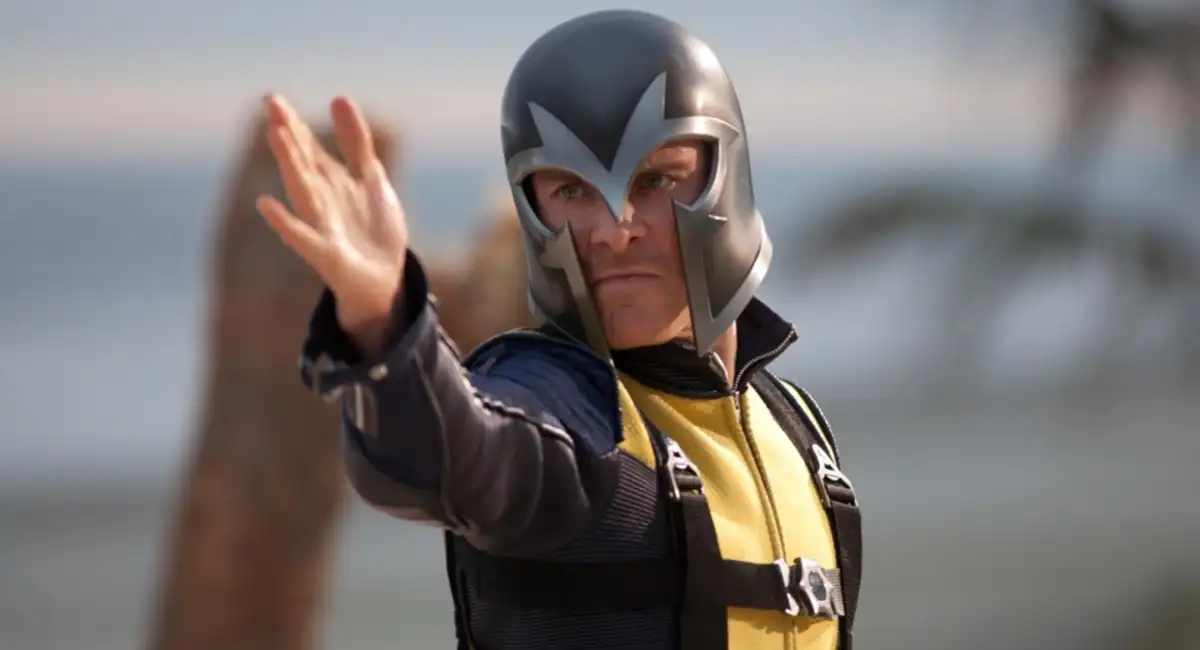
In X-Men: First Class (2011), Erik Lehnsherr’s origin as an orphan is perhaps the most tragic on this list. Separated from his parents in a Nazi concentration camp, young Erik is forced to watch as his mother is killed by the scientist Sebastian Shaw, who seeks to trigger Erik’s magnetic abilities.
This trauma creates a dark, “orphan-turned-conqueror” duality. While superheroes protect society, Magneto believes society is broken. This cynical worldview is reinforced decades later in X-Men: Apocalypse (2016), when he loses his wife and daughter to unfair prejudice. For Erik, these repeated tragedies prove that the world will always fear and destroy what it doesn’t understand, which is why, throughout the entire film series, Magneto fights to ensure mutants never become victims again.
Wolverine (Logan/James Howlett)
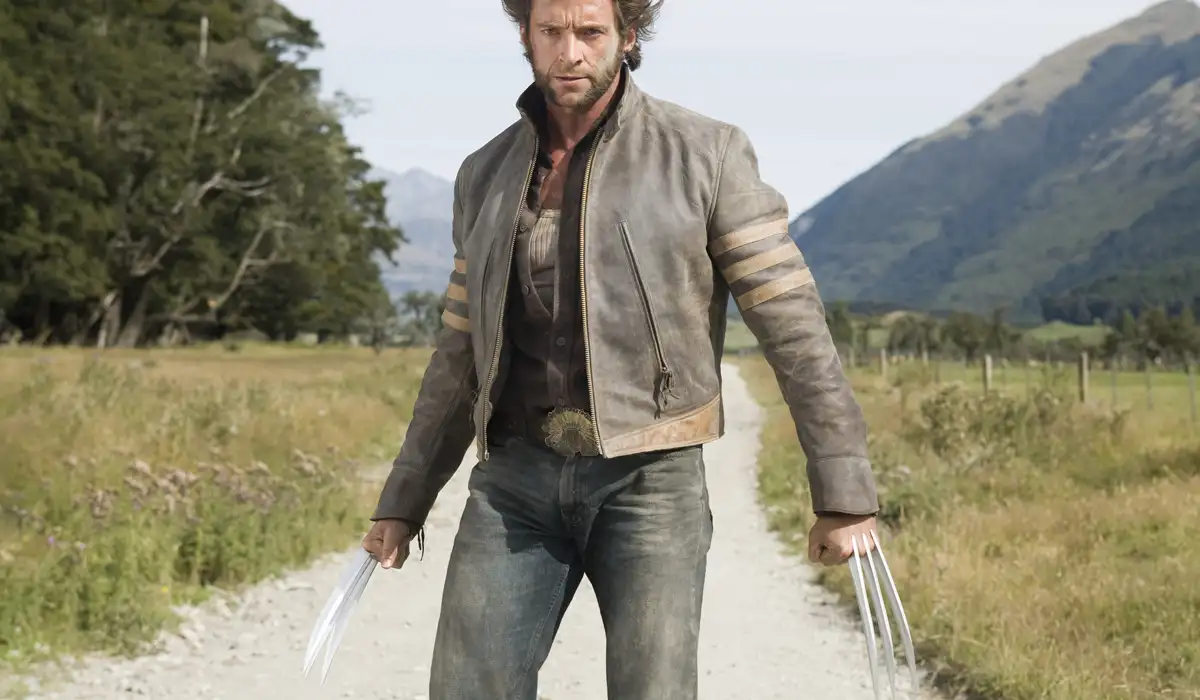
In X-Men Origins: Wolverine (2009), James Howlett’s life as an orphan begins in 1845 when his bone claws first appear. In a moment of rage, 13-year-old James kills his biological father, Thomas Logan, immediately after Thomas murders John Howlett, the man James believed was his father. This tragedy forces James and his half-brother, Victor Creed (Sabretooth), to flee, spending more than a century fighting in major American conflicts from the Civil War to Vietnam.
By the time Logan joins the X-Men, he has lived for well over 170 years and carries the weight of nearly two centuries of loss and bloodshed. Because of his healing abilities, the wolverine outlives nearly everyone he loves, including many of the X-Men, leaving him emotionally isolated across generations. His journey finally comes full circle in Logan (2017), where he stops running from his past and becomes a father figure to X-23 (Laura).
The Flash (Barry Allen)
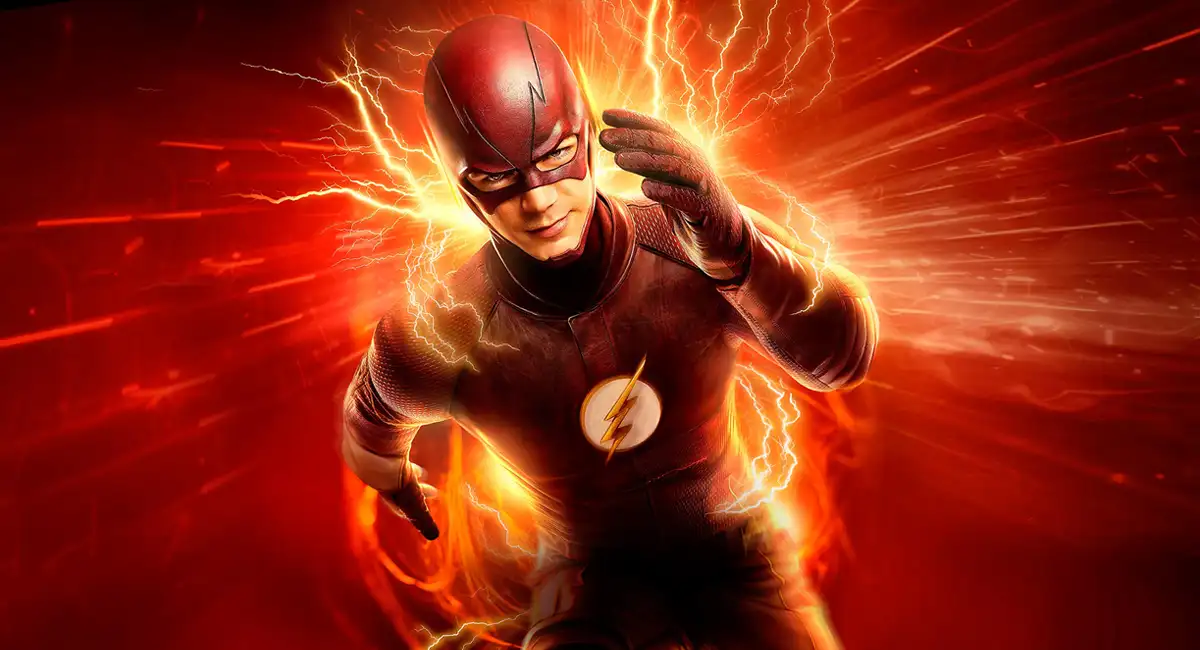
In The Flash (2014 TV Series), Barry Allen’s mother, Nora Allen, is killed by a time-travelling speedster called Eobard Thawne (the Reverse-Flash), who frames Barry’s father, Henry Allen, for the crime.
This tragedy pushes Barry Allen to become a forensic scientist in hopes of proving his father’s innocence. That path eventually leads him to the particle accelerator explosion and lightning strike that give him super-speed, turning Barry Allen into The Flash, the fastest man alive.
Black Panther (T’Challa)
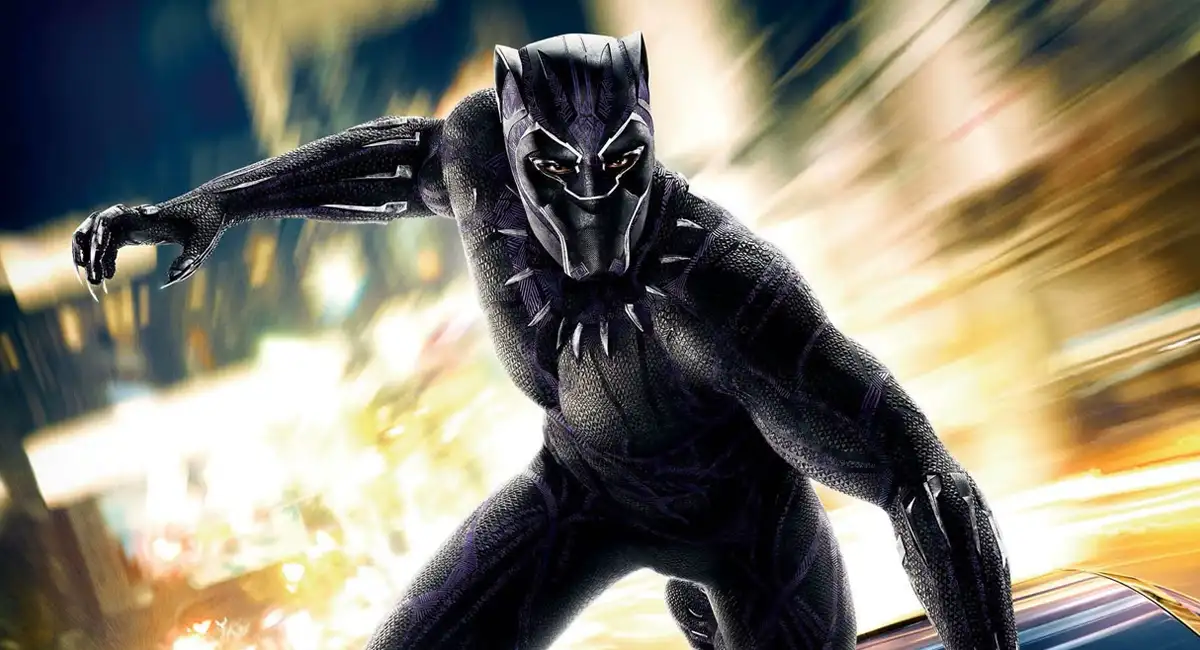
In Black Panther (2018), T’Challa ascends to the throne of Wakanda following the assassination of his father, King T’Chaka, in Captain America: Civil War (2016).
Scarlet Witch (Wanda Maximoff)
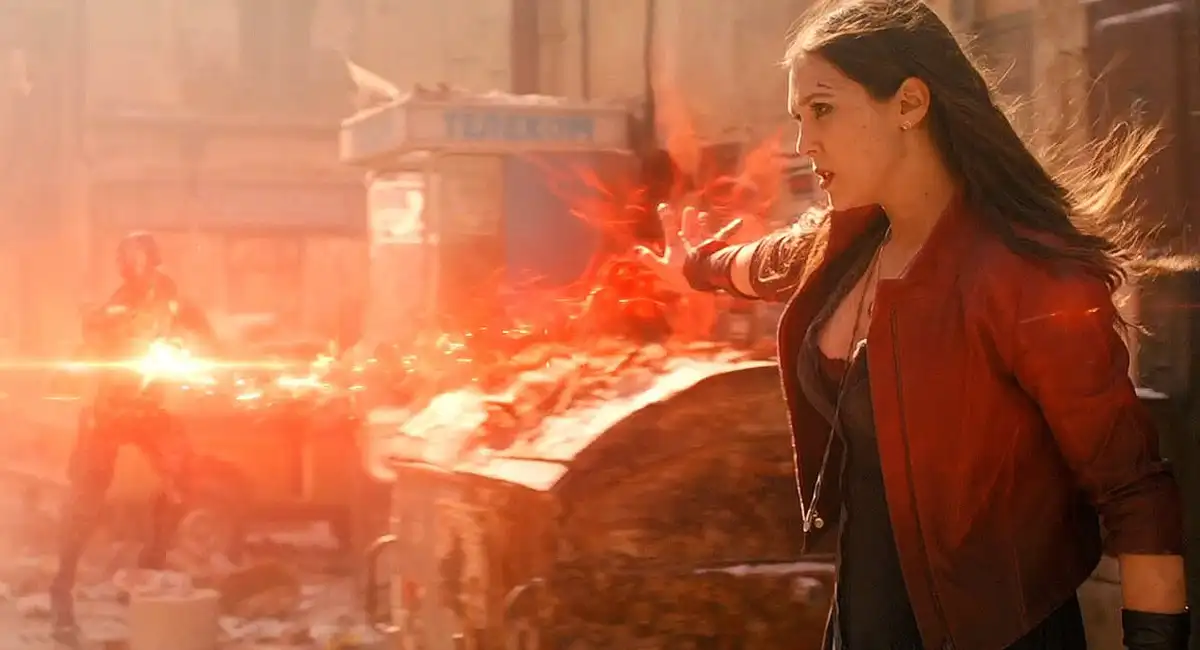
Wanda Maximoff and her brother, Quicksilver (Pietro Maximoff), in Avengers: Age of Ultron (2015), are orphaned by a bombing during childhood before later joining the Avengers.
Black Widow (Natasha Romanoff)
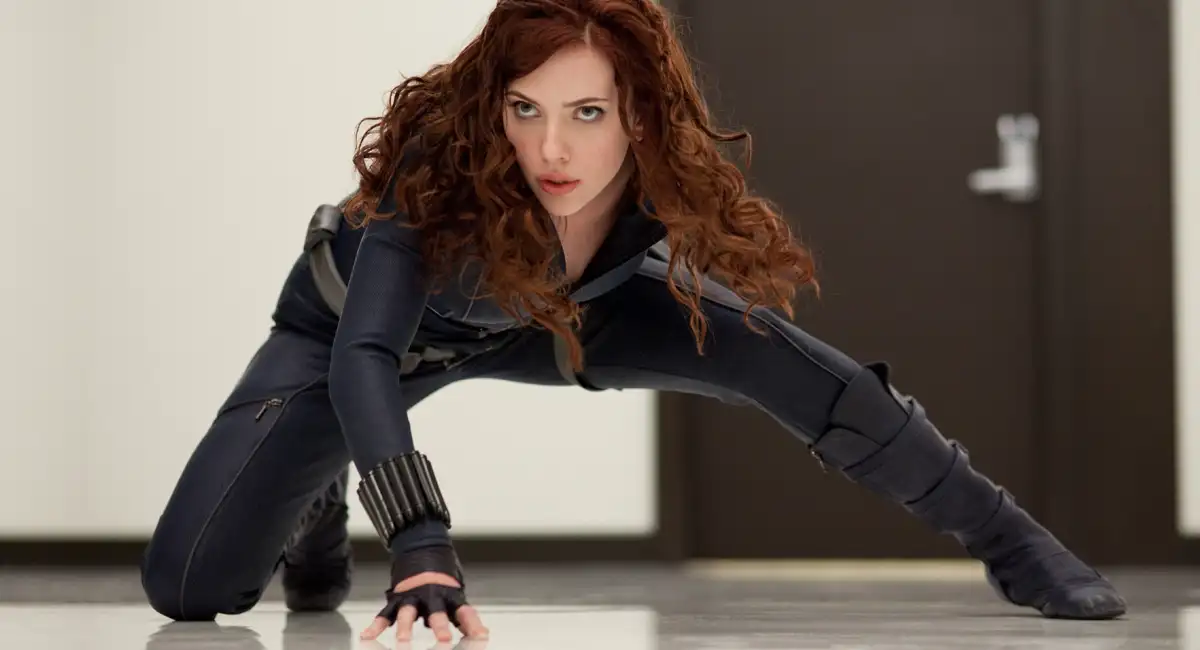
In Black Widow (2021), Natasha Romanoff and her sister figure, Yelena Belova, were separated from their families at a young age and taken into the Red Room programme, where they were trained as elite assassins known as Black Widows. After escaping the Red Room, Natasha Romanoff joined S.H.E.I.L.D and went on to become one of the founding members of the Avengers.
Star-Lord (Peter Quill)
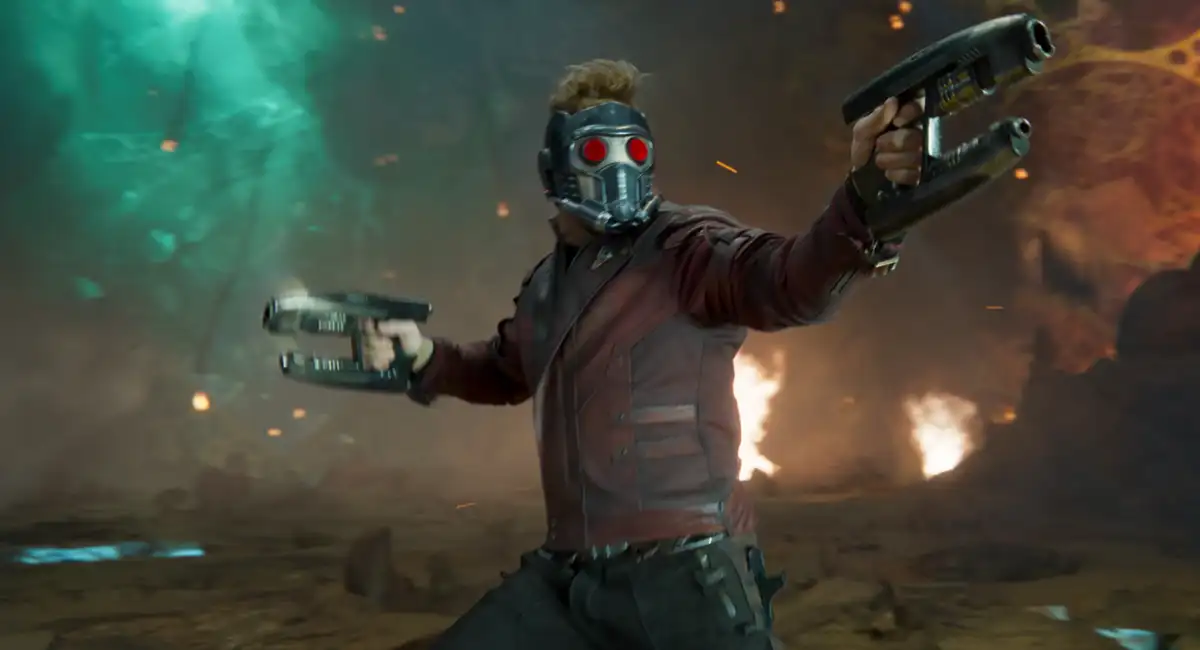
Peter Quill’s cosmic journey in Guardians of the Galaxy (2014) begins on the very night his mother, Meredith Quill, succumbs to a brain tumour. Shortly after, Peter Quill is abducted from Earth and raised by space pirates.
Which superheroes would you add to this list?